Arizona Best Real Estate  |  Say Yes To This Address  |  License SA550841000
Arizona Real Estate Authority

Navigating Transactional Turbulence

Your trusted guide through every challenge in Arizona real estate

Decades of Experience 116 Turbulences Identified Arizona Best Real Estate
116Turbulences Covered
31Years Customer Service
#1Arizona Real Estate Guide

When turbulence hits, experience is everything

In real estate, turbulence is inevitable. Deals shift, emotions run high, and the unexpected often shows up when you least expect it. That's where Colleen Olson comes in.

A Real Estate Consultant with Arizona Best Real Estate, Colleen brings decades of professional expertise — plus 31 years managing airline customer service desks, where staying calm under pressure and guiding people through stressful situations was second nature.

"While many agents react, I anticipate. I don't come to you with problems — I come with answers. I find solutions before I present."

Over the years, Colleen has identified 116 types of transactional turbulence. You won't see most of them — because she's already dealt with them before they reach you. This book is a gift of comfort — showing you what can go wrong, what usually doesn't, and how she's ready for any curveball that comes your way.

Because at the end of the day, the goal is simple: to help everyone involved Say Yes To This Address.
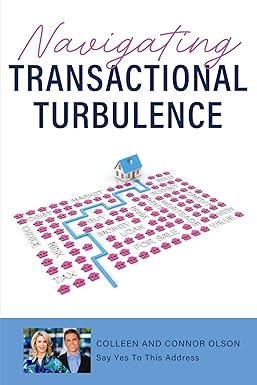

What This Book Covers

  • Buyer & borrower financing challenges
  • Seller complications & motivation issues
  • Lender, appraisal & inspection turbulence
  • Escrow & title company failures
  • Agent experience & communication breakdowns
  • Market condition disruptions
  • Legal, property & HOA complications
  • Emotional & interpersonal dynamics

Colleen's Philosophy: Stop. Drop. And Solve.

  • Anticipate problems before they surface
  • Coordinate all parties quietly behind the scenes
  • Steady leadership when emotions run high
  • Solutions-first approach — never problems
  • Proven systems built over decades of experience

All 116 Turbulences

Click any card to read Colleen's guidance on navigating that challenge.

T–1Lying on a Loan Application: A Risky Move with Big Consequences
Buyer

Mortgage underwriters are trained to verify every detail. When discrepancies surface, your loan could be denied — or you could face foreclosure or legal trouble after closing. Telling the truth might feel harder in the moment, but it protects your financial future.

"A lie on your loan application builds a house of cards, not a home." — Colleen Olson
T–2Late Payments and Loan Approval: A Bump in the Road
Buyer

Even a single late payment can lower your credit score, raise your interest rate, or trigger a loan denial. Timely bill payments are critical in the months leading up to a home purchase. Transparency with your lender upfront is the key to navigating this challenge.

"Yesterday's late payment is tomorrow's loan denial." — Colleen Olson
T–3Debt: A Mortgage Dealbreaker Waiting to Happen
Buyer

Additional debt discovered after a loan application throws off your debt-to-income ratio and can tip the scales on loan approval. Don't take on new debt after applying — none, not even a small store credit card.

"New debt during escrow turns your dream home into a mirage." — Colleen Olson
T–4When the Borrower Loses Their Job During Escrow
Buyer

When the financial stability that supported loan approval disappears, the entire deal goes into chaos. Swift action, honesty, and collaboration — exploring co-signers or new employment — can sometimes keep the deal afloat even in turbulent times.

"A job loss during escrow isn't just about income — it's about dreams put on hold." — Colleen Olson
T–5When the Co-Borrower Loses Their Job During Escrow
Buyer

When co-borrower income is critical to qualifying and that income disappears mid-transaction, it can throw off the entire debt-to-income ratio. Quick communication with lender and agent is key to exploring creative solutions and keeping the transaction on course.

"Two incomes make the dream; one income breaks the team." — Colleen Olson
T–6When Income Verification Falls Short
Buyer

If a lender verifies income is lower than originally stated, it can throw a major wrench into home-buying. Accuracy is critical on loan applications — double-check all income details before submitting to avoid unpleasant surprises.

"Stated income is a story; verified income is your key." — Colleen Olson
T–7When Overtime Income Isn't Allowed for Loan Qualification
Buyer

Lenders often require a consistent two-year history of overtime income before allowing it in qualifying calculations. Without it, your debt-to-income ratio may no longer meet loan requirements. Verify overtime eligibility with your lender early in the process.

"Extra hours don't always equal extra house — verify before you rely." — Colleen Olson
T–8When a Large Credit Purchase Threatens the Closing
Buyer

Buying a car, furniture, or racking up a significant credit card balance right before closing can jeopardize mortgage approval. Lenders reassess financial standing before closing — avoid major financial changes during the loan process.

"That new car smell could make your dream home vanish." — Colleen Olson
T–9When Life Happens: Illness, Injury, Divorce, or Financial Setbacks During Escrow
Buyer

Major life events during escrow can reduce income, increase expenses, or create legal entanglements that impact financial stability. Early communication and a willingness to adapt can often keep the transaction on track. Life happens — but with the right team, dreams don't have to be derailed.

"Life doesn't pause for escrow — plan for the unplanned." — Colleen Olson
T–10When the Buyer Lacks Motivation: A Transaction Stuck in Neutral
Buyer

When a buyer hesitates to sign paperwork, schedule appointments, or follow through on essential steps, the transaction grinds to a halt. Buying a home requires energy and decisiveness — hesitation risks letting the perfect home slip away.

"Hesitation buys someone else's dream home." — Colleen Olson
T–11When the Gift Donor Changes Their Mind: A Financial Curveball
Buyer

When a gift donor backs out, the buyer's debt-to-income ratio may no longer qualify or they may struggle to cover upfront costs. Confirm the donor's commitment early and in writing — a properly documented gift letter prevents last-minute surprises.

"A gift with strings attached becomes a noose at closing." — Colleen Olson
T–12When a Missing Divorce Decree Holds Up the Deal
Buyer

Without a divorce decree, the lender cannot verify financial obligations or accurately assess the debt-to-income ratio. Keep critical documents like divorce decrees easily accessible during the home-buying or selling process — planning ahead prevents unnecessary stress.

"Past papers predict future keys — keep your decree close." — Colleen Olson
T–13When a Missing Bankruptcy Petition or Discharge Derails the Deal
Buyer

Without bankruptcy records, the lender cannot confirm creditworthiness, delaying or denying loan approval. Keep bankruptcy records in an accessible, secure place. If they're misplaced, act quickly to retrieve replacements — proactive documentation ensures smoother transactions.

"Your fresh start needs proof to finish strong." — Colleen Olson
T–14When Tax Returns Go Missing: A Mortgage Approval Roadblock
Buyer

Missing tax returns halt the transaction because lenders cannot verify income — particularly for self-employed borrowers or those relying on variable income. Always keep tax returns on hand; if they're misplaced, act quickly to retrieve them.

"Lost tax returns are found money walking away." — Colleen Olson
T–15When Bank Statements Go Missing: A Transaction Stuck in Limbo
Buyer

Missing bank statements prevent lenders from verifying savings or ensuring funds haven't been borrowed — a key part of meeting debt-to-income requirements. Always have at least two months of recent bank statements ready before applying for a mortgage.

"Your paper trail tells your money's tale — guard it well." — Colleen Olson
T–16When Verification of Rent Becomes a Challenge
Buyer

Verifying rent from a private landlord can stall loan approval when records are incomplete or landlords are uncooperative. Keep clear records of rental payments and maintain open communication with your landlord to avoid complications that can sideline your home-buying journey.

"Your rental history writes your homeowner's future." — Colleen Olson
T–17When Rising Interest Rates Push Borrowers Out of Qualification
Buyer

When rates rise significantly, buyers may find themselves unable to qualify for the loan they planned on. Locking in your rate early and maintaining financial stability is essential to keeping your home-buying journey on track.

"Yesterday's budget meets today's rates — only math survives." — Colleen Olson
T–18When Loan Program Changes Bring Higher Rates, Points, and Fees
Buyer

A sudden loan program change during escrow can feel like a bait-and-switch. What was once an affordable loan now comes with higher monthly payments and upfront costs. Proactive communication, financial preparation, and flexibility help you weather this storm.

"The loan you qualified for isn't always the loan you close with." — Colleen Olson
T–19When Undisclosed Child Support Derails a Loan Application
Buyer

Child support is a recurring financial obligation that affects your debt-to-income ratio. When discovered during underwriting, it can lead to recalculations, higher scrutiny, and potentially a denial. Honesty upfront prevents surprises and builds trust throughout the process.

"Hidden obligations surface when keys are closest." — Colleen Olson
T–20When Bankruptcy Within Two Years Threatens Mortgage Approval
Buyer

Conventional loans often require a two- to four-year gap after bankruptcy. If you're within this window, qualifying may involve higher interest rates, a larger down payment, or stricter conditions. Preparation, transparency, and patience are essential to navigating the process.

"Time heals credit wounds, but only patience brings keys." — Colleen Olson
T–21When the New Mortgage Payment Doubles: A Financial Reality Check
Buyer

When the new mortgage payment is double the previous housing cost, it can strain finances and the lender's confidence. Proper preparation, honest budgeting, and open communication with your lender ensure you're financially ready to take this leap without jeopardizing your goals.

"Dream payments and real payments rarely share the same math." — Colleen Olson
T–22When Employment History Falls Short Two Years: A Loan Hurdle
Buyer

Lenders rely on a steady two-year employment history to gauge financial stability and repayment ability. A short or inconsistent work history may lead to delays, higher scrutiny, or loan denial. Transparency and preparation are key to demonstrating financial stability.

"Two years of paystubs write your home's story." — Colleen Olson
T–23Handwritten Pay Stubs Raise Red Flags
Buyer

Lenders require verifiable proof of income. Handwritten pay stubs raise concerns about reliability and fraud. Without official documentation such as computer-generated pay stubs or direct deposit records, your application may be delayed or denied. Proactively provide alternative documentation.

"If your income's real, let the computer tell the tale." — Colleen Olson
T–24When a Job Change with a Probation Period Threatens Loan Approval
Buyer

A probationary period signals potential instability to lenders, who require proof of stable income. This can cause delays or denial, especially if the job change significantly alters your financial profile. If a change is unavoidable, communicate with your lender and agent early.

"New job excitement meets lender anxiety at the closing table." — Colleen Olson
T–25Switching to 100% Commission Income: Risky Move During Escrow
Buyer

Lenders typically require at least two years of consistent commission income before considering it as qualifying income. Without this history, your loan may be denied. If possible, delay career transitions until after closing — or be prepared for extra challenges.

"Steady income builds homes; commission hopes build heartbreak." — Colleen Olson
T–26When Death Occurs During a Real Estate Transaction
Buyer

The unexpected death of a borrower or co-borrower forces lenders to re-evaluate the surviving borrower's ability to qualify independently. Open communication, legal guidance, and patience are essential to resolving these challenges respectfully and effectively.

"Life's final chapter can close escrow's door." — Colleen Olson
T–27When the Buyer's Expectations Exceed Their Budget
Buyer

When desire for a dream home collides with market limitations, the search drags on and becomes disheartening. Home buying is about compromise — keeping an open mind and focusing on the big picture helps buyers find a home they can love and afford sooner.

"Champagne dreams on a beer budget leave you thirsty." — Colleen Olson
T–28When the Buyer Feels a Home Was Misrepresented
Buyer

Discovering a home doesn't match its description creates mistrust and can derail the transaction. Clear communication, honesty, and flexibility from all parties are key to resolving conflicts. Buyers should verify claims through due diligence before proceeding.

"Pretty pictures hide ugly truths — inspect before you accept." — Colleen Olson
T–29Missing DD214 Form Creates VA Loan Challenges
Buyer

For veterans using a VA loan, the DD214 form is essential proof of military service. Without it, the lender cannot verify eligibility, leading to delays in pre-approval or jeopardizing the ability to secure the loan. Veterans should locate their DD214 before applying.

"Your service earned the benefit; your paperwork unlocks it." — Colleen Olson
T–30When the Buyer Comes Up Short at Closing
Buyer

Discovering on closing day that you don't have enough money to cover closing costs or the down payment is a potentially deal-breaking scenario. Buyers should budget carefully and confirm final closing amounts early — maintaining a financial cushion prevents last-minute shortfalls.

"The final number doesn't care about almost enough." — Colleen Olson
T–31When the Buyer Fails to Paper Trail Additional Funds
Buyer

Unverified funds raise red flags for lenders, suggesting potential undisclosed loans or noncompliance with financial regulations. This can delay loan approval, increase scrutiny, or result in denial. Transparency is key — properly document all financial contributions.

"Mystery money makes lenders nervous, and deals disappear." — Colleen Olson
T–32When the Buyer Forgets the Cashier's Check: A Closing Day Crisis
Buyer

Title companies and lenders require guaranteed funds to ensure the transaction proceeds without delay or risk of fraud. Without the cashier's check, closing cannot move forward. Buyers should confirm payment instructions well in advance of closing and arrive fully prepared.

"Wrong check, wrong form, wrong day — no keys." — Colleen Olson
T–33When the Seller Loses Motivation to Sell: A Deal in Jeopardy
Seller

When circumstances shift and a seller loses motivation, the transaction faces significant disruption. Sellers who attempt to back out without cause can face penalties or legal challenges. Sellers should carefully evaluate their commitment to selling before listing — clear communication and mediation can resolve motivation issues.

"Cold feet at the finish line freeze everyone's plans." — Colleen Olson
T–34When the Seller Cannot Find a Suitable Replacement Property
Seller

Many sellers are also buyers who need to secure their next home before completing the sale. When limited inventory or high competition makes finding a replacement difficult, sellers feel stuck between fulfilling their commitment and being left without a place to live. Planning early and clear communication prevent delays.

"Selling without a landing spot creates homeless sellers." — Colleen Olson
T–35When the Seller Refuses to Allow the Appraiser Inside the Home
Seller

Without an appraisal, the lender cannot approve the loan, creating delays or forcing the buyer to consider other properties. Appraisals are non-negotiable in financed transactions — sellers must cooperate to ensure a smooth process. Communication and education are key to resolving this issue.

"Closed doors to appraisers close doors to buyers." — Colleen Olson
T–36When the Seller Delays Home Inspections: A Recipe for Frustration
Seller

Delayed access for inspections raises red flags, leaving buyers wondering what the seller might be hiding. This uncertainty can lead to frustration, renegotiation of terms, or a decision to walk away. Timely cooperation with inspections benefits everyone and keeps the transaction on track.

"Hidden homes hide problems; delayed inspections kill deals." — Colleen Olson
T–37When the Seller Removes Items the Buyer Thought Were Included
Seller

Discovering that fixtures, appliances, or agreed-upon items are gone creates mistrust and raises concerns about other misrepresentations. Sellers should confirm what stays, and buyers should verify inclusions during final walkthroughs. Clear communication and detailed contracts prevent confusion.

"What you saw isn't always what you get — write it down." — Colleen Olson
T–38When Liens and Cash Shortfalls Jeopardize Closing
Seller

Liens must be satisfied before the title can transfer to the buyer — and a seller unable to address these obligations risks losing the deal entirely. Sellers should address liens early, working closely with their agent and title company to uncover and resolve issues before listing the property.

"Yesterday's debts eat today's equity." — Colleen Olson
T–39When the Seller Doesn't Own 100% of the Property
Seller

The sale cannot proceed without consent and signatures from all owners. Sellers should confirm their ownership percentage before listing a property and ensure all co-owners are prepared to participate in the sale. Partial ownership makes partial sales impossible.

"Partial ownership makes partial sales impossible." — Colleen Olson
T–40When Problems Arise Getting Partners' Signatures
Seller

When co-owners are geographically distant, estranged, or disagree with the sale, securing signatures creates delays and legal hurdles. Sellers should involve all partners early in the process and ensure clear communication to avoid last-minute surprises.

"All owners must sign, or no owner can sell." — Colleen Olson
T–41When the Seller Leaves Town Without Granting Power of Attorney
Seller

Without a Power of Attorney, no one can legally sign on the seller's behalf — which can jeopardize the deal. Sellers who plan to be unavailable during the transaction should grant POA to a trusted individual in advance. Proper preparation prevents unnecessary delays.

"Distance without power of attorney equals dead deals." — Colleen Olson
T–42When the Seller Delays the Move-Out Date
Seller

A delayed move-out disrupts the buyer's carefully planned timeline — they may have scheduled movers, arranged utility transfers, or given notice to a landlord. Sellers should plan their move carefully to meet agreed-upon deadlines. Open communication and creative problem-solving mitigate the impact of unexpected delays.

"Your moving van and their moving van need the same plan." — Colleen Olson
T–43When Repairs Agreed to in the Contract Aren't Completed
Seller

Discovering during the final walkthrough that repairs weren't completed is frustrating and raises concerns about the seller's integrity. Sellers should prioritize completing agreed-upon repairs — buyers should confirm repair completion before closing. Clear communication and accountability are key to a smooth transaction.

"Promised repairs are just promises until they're done." — Colleen Olson
T–44When the Seller's Home Goes Into Foreclosure During Escrow
Seller

A home entering foreclosure during escrow creates immediate chaos — without a clear title, the sale cannot proceed. Buyers face delays, increased costs, or collapse of the deal. Sellers should address mortgage issues early to avoid foreclosure complications from derailing everyone's plans.

"Banks don't care about your purchase contract." — Colleen Olson
T–45When the Seller Misrepresents Information About the Home or Neighborhood
Seller

Misrepresentation — whether intentional or accidental — undermines trust, damages credibility, and can result in financial penalties or lawsuits. Sellers should disclose all known issues honestly to avoid complications. Buyers should verify claims through due diligence before proceeding.

"Truth travels faster than lies in real estate." — Colleen Olson
T–46When Hidden Defects Are Discovered After Non-Disclosure
Seller

Hidden defects discovered after inspections — or worse, after closing — create financial stress and post-sale disputes. Sellers should disclose all known defects honestly, while buyers should prioritize inspections. Transparency ensures smoother transactions and protects both parties from costly consequences.

"What sellers forget to mention, buyers pay to remember." — Colleen Olson
T–54When the Lender Fails to Properly Pre-Qualify the Borrower
Lender

When a lender fails to thoroughly pre-qualify a borrower, hidden issues emerge later in the process — derailing the transaction and wasting everyone's time and money. A thorough pre-qualification from the start sets realistic expectations and prevents costly surprises at the finish line.

T–55When the Lender Requires Repairs Before Closing
Lender

When lenders require repairs before funding — often due to FHA or VA appraisal requirements — it creates negotiation friction between buyers and sellers. Both parties must work collaboratively and quickly to meet lender conditions without losing the deal or delaying closing.

T–56When Market Conditions Raise Rates, Points, or Costs During a Transaction
Lender

Rising market conditions mid-transaction can change the financial calculus for buyers already deep in the process. Proactive rate locking and financial preparation are the best defenses — flexibility and creativity can often keep the deal alive even when conditions shift.

T–57When the Borrower Fails to Qualify Due to Late-Added Information
Lender

Information that surfaces late in underwriting — a discovered debt, a credit inquiry, or an undisclosed obligation — can change qualification status entirely. Buyers should disclose everything upfront and avoid any financial changes during the loan process to prevent late-stage disqualification.

T–58When the Lender Requires a Last-Minute Second Appraisal or Additional Documents
Lender

A last-minute request for additional documentation or a second appraisal can delay closing and rattle everyone's confidence. Staying organized, responsive, and prepared throughout the process — and working with a reliable lender from the start — minimizes the risk of this turbulence.

T–59When the Lender Loses a Form or Misplaces the Entire File
Lender

Misplaced files by a lender cause immediate delays and erode everyone's confidence in the transaction. Colleen keeps duplicate records of all submitted documents and maintains direct lines of communication with lenders to catch and resolve file issues before they derail closing timelines.

T–60When the Lender Fails to Ask for All Information Upfront
Lender

A lender who fails to gather all necessary information from the beginning creates a cascade of last-minute requests that delay closing. Colleen vets lenders and works only with professionals who conduct thorough upfront reviews — protecting her clients from avoidable surprises late in the process.

T–61When the Lender Fails to Fund the Loan on Time
Lender

When a lender fails to fund on time, it can push closing back — triggering rate lock expirations, moving plan disruptions, and frustrated parties. Selecting a reliable, experienced lender and maintaining consistent communication throughout escrow is the best protection against this turbulence.

T–89When Interest Rate Lock Expiration Disrupts Closing
Lender

When closings are delayed past the rate lock expiration date, buyers may face higher rates or need to pay for an extension. Proactive timeline management and clear communication with the lender help ensure rate locks remain valid through a smooth, on-time closing.

T–90When Lender Guidelines Change Mid-Transaction
Lender

When lenders change guidelines mid-transaction — tightening underwriting, adjusting allowable loan types, or revising requirements — borrowers can find themselves suddenly out of qualification. Colleen navigates these shifts by working quickly with lenders to explore alternatives and keep clients on track.

T–91When Appraisal Gap Issues Threaten the Deal
Lender

When an appraisal comes in below the purchase price, the lender will only finance up to the appraised value — leaving a gap the buyer must cover or the seller must negotiate. Colleen prepares clients for this possibility and negotiates solutions that protect everyone's interests.

T–92When Unexpected PMI Requirements Surface
Lender

Unexpected private mortgage insurance requirements add to monthly payment burdens that weren't in the original budget. Buyers should ask lenders about PMI thresholds upfront and factor this into affordability calculations before making an offer — avoiding the sticker shock at the closing table.

T–93When Self-Employment Income Fluctuations Create Lending Hurdles
Lender

Lenders average self-employed income over two years — meaning a down year can significantly reduce qualifying income, even if the business is currently thriving. Self-employed buyers should work with a lender experienced in self-employment documentation well before beginning the home search.

T–62When the County Won't Approve the Septic System or Well
Property

County approval of septic systems and wells is often required before a financed transaction can close. When inspections reveal non-compliance, it triggers required repairs or negotiations that can delay closing significantly. Early inspection and clear seller disclosures are essential for properties on private systems.

T–63When a Termite Report Reveals Substantial Damage and the Seller Won't Fix It
Property

Substantial termite damage revealed in a report can trigger lender repair requirements — and when a seller refuses to address it, the transaction faces collapse. Colleen negotiates these situations with clear data and creative solutions to find common ground before the deal falls through.

T–64When the Home Is Misrepresented in Size or Condition
Property

Discovering that square footage is overstated or condition is misrepresented erodes buyer trust and often triggers renegotiation or cancellation. Thorough inspections, independent appraisals, and verifying listing data against public records are essential safeguards before proceeding with any purchase.

T–65When the Home Is Destroyed Before Closing
Property

Fire, flood, or other catastrophic events before closing create immediate legal and financial complications. Most purchase contracts address this scenario, but navigating insurance claims, renegotiation, or cancellation requires experienced guidance and swift action to protect all parties' interests.

T–66When the Home Is Found to Be Structurally Unsound
Property

Structural issues discovered during inspection can trigger lender requirements for repairs before funding — or cause buyers to walk away entirely. Colleen addresses structural findings head-on with licensed engineering assessments and realistic repair cost negotiations before any deal collapses.

T–67When the Home Is Uninsurable for Homeowner's Insurance
Property

Lenders require proof of homeowner's insurance before closing. When a property is deemed uninsurable — due to age, condition, roof type, or claims history — the transaction cannot proceed without resolution. Identifying insurance challenges early in the process prevents costly delays at closing.

T–68When the Property Is Incorrectly Zoned
Property

Zoning errors can prevent a buyer from using the property as intended — whether for a home business, rental, or specific construction. Verifying zoning classification early and understanding all permitted uses before making an offer protects buyers from purchasing a property that can't serve their goals.

T–69When Part of the Home Encroaches on the Neighbor's Property
Property

Encroachments discovered through a survey — a fence, structure, or driveway crossing property lines — create title complications that can delay or derail closing. Resolving encroachment issues typically requires legal agreements or property line adjustments, which must be completed before a clear title can transfer.

T–70When a Unique Home Lacks Comparable Properties for Appraisal
Property

Unusual properties — custom builds, historic homes, or unique architectural styles — can be difficult to appraise when comparable sales are scarce. Colleen works proactively with appraisers and provides comprehensive data packages to support strong valuations for unique properties in the Arizona market.

T–94When Undiscovered Easements or Rights-of-Way Surface
Property

Easements and rights-of-way can restrict how a property is used or developed — and discovering them after an offer is accepted creates serious complications. A thorough title search and preliminary title report review before closing exposes these issues early so all parties can make informed decisions.

T–95When Historical or Heritage Property Restrictions Impact Plans
Property

Historic designations can severely limit renovations, additions, or exterior changes — creating challenges for buyers who purchase without understanding these restrictions. Colleen ensures buyers fully understand any historic property limitations before making an offer, protecting them from purchasing a property they can't use as intended.

T–96When Environmental Concerns Emerge During Inspection
Property

Environmental issues — mold, radon, contaminated soil, or proximity to hazardous sites — can trigger lender conditions, renegotiations, or buyer cancellations. Colleen addresses environmental findings with the right specialists and clear remediation data to move transactions forward confidently and safely.

T–97When Well or Septic System Problems Surface
Property

Well and septic issues on rural Arizona properties can be expensive to repair and may be required by lenders before closing. Early testing and clear seller disclosures of any known system issues prevent last-minute surprises that can collapse a deal at the worst possible moment.

T–98When Survey Disputes Create Boundary Conflicts
Property

Conflicting surveys or disputed property boundaries create title complications and potential legal liability. Resolving boundary conflicts requires coordination between surveyors, title companies, and sometimes attorneys — all before a clear title can be conveyed and closing can proceed.

T–71When the Escrow or Title Company Fails to Notify About Missing Documents
Escrow & Title

When a title or escrow company fails to flag missing documents until the last minute, it creates a scramble that delays closing and frustrates all parties. Colleen maintains proactive communication with escrow throughout the process to catch document gaps long before they become emergencies.

T–72When the Escrow or Title Company Fails to Gather Key Information on Time
Escrow & Title

Delays in gathering payoff statements, HOA information, or tax records from the escrow company cascade into closing delays. Colleen works with escrow partners who understand the urgency of timely information gathering — and follows up consistently to keep every transaction on schedule.

T–73When the Principals Leave Town Without Signing Key Documents
Escrow & Title

Unsigned documents when principals are unavailable can halt closing and create significant legal complications. Planning for travel during escrow includes arranging remote notarization, Power of Attorney, or pre-signing documents before departure — Colleen addresses this proactively with every client.

T–74When the Escrow or Title Company Loses or Incorrectly Prepares Paperwork
Escrow & Title

Incorrectly prepared closing documents or misplaced files from escrow can delay closing by days — or create legal issues that surface after the transaction. Thorough review of all closing documents before signing and working with reliable escrow partners minimizes this risk significantly.

T–75When the Escrow or Title Company Fails to Relay Information Quickly
Escrow & Title

Slow communication from escrow creates bottlenecks that delay decisions and responses throughout the transaction. Colleen maintains direct relationships with escrow officers and follows up consistently to ensure information flows quickly and efficiently to all parties who need it.

T–76When the Escrow or Title Company Fails to Coordinate Efficiently
Escrow & Title

Poor coordination between escrow, lenders, agents, and other parties creates confusion and delays that compound through the transaction. Colleen acts as the central coordinator — maintaining clear lines of communication with every party to ensure smooth, efficient progress toward closing.

T–77When the Escrow or Title Company Refuses Flexibility on Small Issues
Escrow & Title

Rigid adherence to process over practicality from an escrow company can create unnecessary delays on minor issues. Colleen works with escrow partners who understand that flexibility on small matters keeps big transactions on track — and advocates firmly for her clients when reasonable flexibility is warranted.

T–78When Liens or Title Problems Are Discovered at the Last Minute
Escrow & Title

Last-minute lien or title discoveries — unpaid taxes, mechanic's liens, or clouds on title — can halt closing and require urgent legal resolution. Early title searches, thorough preliminary title reports, and proactive lien checks are Colleen's standard practice on every transaction.

T–79When the Appraiser Is Too Busy to Complete the Appraisal on Time
Appraisal

Appraiser availability issues — especially in hot markets — can push appraisals past closing deadlines, forcing extensions or rate lock complications. Colleen orders appraisals early and monitors turnaround times closely, escalating to lenders when delays threaten the closing timeline.

T–80When No Comparable Sales Are Available
Appraisal

In markets with few recent comparable sales — rural areas, unique properties, or rapidly appreciating markets — appraisers struggle to establish value. Colleen provides comprehensive market data packages to support appraisers, including relevant sales, property features, and neighborhood context to achieve the strongest possible valuation.

T–81When the Appraiser Is Not on the Lender's Approved List
Appraisal

When an appraiser is not on a lender's approved panel, the appraisal must be redone — wasting time and money. Colleen coordinates closely with lenders to ensure all appraisers assigned to her transactions are approved and eligible before they begin work on the property.

T–82When the Appraiser Makes Mistakes or Undervalues the Property
Appraisal

Appraisal errors — incorrect square footage, missing features, or poor comparable selection — can undervalue a property and threaten financing. Colleen reviews all appraisals carefully and files formal reconsideration of value requests with supporting data when errors or undervaluations are identified.

T–83When the Lender Requires a Second or Review Appraisal
Appraisal

When lenders order a second appraisal or desk review, it adds time, cost, and uncertainty to the transaction. Colleen prepares clients for this possibility in complex transactions and maintains close communication with lenders to resolve any appraisal discrepancies as quickly as possible.

T–84When the Pest Inspection Isn't Available in Time
Appraisal

Many lenders — particularly FHA and VA — require pest inspections before closing. When certified inspectors are unavailable within the transaction timeline, it creates delays that threaten rate locks and closing dates. Colleen orders pest inspections early and maintains relationships with reliable, responsive inspectors.

T–85When the Inspector Is Too Picky About the Property's Condition
Appraisal

An overzealous inspector who flags every minor imperfection can alarm buyers unnecessarily and trigger excessive repair demands. Colleen helps buyers interpret inspection reports realistically — distinguishing between legitimate concerns and routine maintenance items — keeping negotiations grounded and deals intact.

T–47When Inexperience in a Property Type Complicates the Transaction
Agent

Inexperience with a specific property type — commercial, multi-family, luxury, or unique residential — leads to missed details, wrong advice, and financial mistakes. Buyers and sellers should seek agents with specific experience in their property type, and agents should know when to bring in specialists.

"Wrong expert, wrong advice, wrong outcome." — Colleen Olson
T–48When Access Delays for Inspections and Appraisals Derail a Transaction
Agent

Delayed access for inspections and appraisals raises concerns about hidden problems or seller intentions. Cooperation and clear communication are vital — sellers and agents should prioritize property access to avoid unnecessary delays and maintain buyer confidence throughout the process.

"Denied access today means denied closing tomorrow." — Colleen Olson
T–49When Paperwork Delays Hold Up the Lender
Agent

When buyers or sellers fail to submit completed documents on time, the lender puts the loan on hold — risking missed closing deadlines and potential loan denial. Staying organized and responsive ensures smoother transactions and avoids unnecessary stress for everyone involved.

"Missing papers make missing deadlines." — Colleen Olson
T–50When the Real Estate Agent Lacks Client Control: A Transaction at Risk
Agent

When an agent has little control over their clients, the process spirals into chaos — delays, miscommunications, and missed opportunities. A successful transaction depends on an agent's ability to lead clients clearly, set expectations firmly, and foster the trust necessary to keep the process on track.

"A rudderless ship never reaches shore." — Colleen Olson
T–51When the Real Estate Agent Takes Unexpected Time Off and Becomes Unreachable
Agent

An unavailable agent during inspections, negotiations, or closing can mean missed deadlines and lost opportunities. Reliability is non-negotiable in real estate. When unexpected time off is unavoidable, proactive planning and a trusted colleague covering all bases ensures the transaction doesn't come to a standstill.

"A missing agent makes missing opportunities." — Colleen Olson
T–52 & 53When the Agent Misleads, Lets Ego Interfere, or Fails to Do Their Homework
Agent

Misleading statements, ego-driven decisions, and inadequate preparation are among the most damaging behaviors in real estate. Transparency, humility, and professionalism are the foundations of every successful transaction. An agent's job is to serve the client — not their own interests. Colleen's approach is always client-first, solutions-driven, and grounded in thorough preparation.

T–86 & 87When the Home Inspector Is Unavailable in Time or Alarm Buyers Into Cancellation
Market & Legal

Inspector availability issues can delay the entire transaction timeline, while alarm-inducing reports can cause buyers to panic and cancel deals unnecessarily. Colleen helps buyers interpret inspection results with perspective — separating legitimate deal-breakers from routine maintenance items that are normal in any home.

T–88When You Pick the Wrong Real Estate Agent or Lender
Market & Legal

Choosing the wrong agent or lender — based on familiarity rather than competence — is one of the most costly mistakes in real estate. The right professionals make turbulence invisible; the wrong ones make it catastrophic. Colleen's track record, systems, and relationships with vetted lenders protect her clients from this risk.

T–99When Personality Clashes Derail Negotiations
Market & Legal

When personalities between parties — or their agents — create a hostile negotiation environment, deals that should close fall apart. Colleen acts as a calm, professional buffer — keeping negotiations fact-based, solution-focused, and free from the emotional escalation that destroys otherwise viable transactions.

T–100When Emotional Attachment Complicates the Sale
Market & Legal

Sellers who are emotionally attached to their homes often overprice, over-negotiate repairs, or become offended by offers — inadvertently sabotaging their own sale. Colleen provides calm, data-driven perspective that helps clients make decisions with their heads without dismissing what their hearts feel.

T–101When Unrealistic Timelines Create Transaction Pressure
Market & Legal

Unrealistic closing timelines create pressure that leads to cutting corners, missed steps, and costly mistakes. Colleen sets honest, realistic timelines from the beginning — building in appropriate buffers for inspections, appraisals, and lender requirements — so transactions close smoothly without unnecessary pressure.

T–102When Unexpected Life Events Disrupt the Transaction
Market & Legal

Divorce, medical emergencies, job loss, or family crises mid-transaction create both emotional and logistical complications. Colleen navigates these situations with compassion and professionalism — adapting the transaction plan as needed while protecting her clients' financial and legal interests throughout.

T–103When Difficult Neighbors Impact Property Desirability
Market & Legal

Difficult neighbors — disputes, noise, clutter, or hostility — can deter buyers even in an otherwise desirable property. Sellers have disclosure obligations regarding known disputes, and buyers should research neighborhood dynamics thoroughly before proceeding. Colleen helps clients navigate neighbor-related concerns with clear, honest guidance.

T–104When Market Conditions Shift Suddenly
Market & Legal

A sudden market shift — rising rates, economic news, or inventory changes — can change buyer demand, property values, or negotiating dynamics mid-transaction. Colleen monitors Arizona market conditions continuously and adapts strategies in real time to protect her clients' positions whether they're buying or selling.

T–105When HOA Disputes or Rule Changes Disrupt Sales
Market & Legal

Pending HOA litigation, special assessments, or rule changes can make financing difficult or buyers reluctant to proceed. Colleen reviews all HOA documents — CC&Rs, financials, pending litigation, and meeting minutes — before her clients commit, protecting them from HOA turbulence that others miss.

T–106When Nearby Construction or Development Creates Concerns
Market & Legal

Nearby construction — a new road, commercial development, or high-density housing — can affect property value, noise levels, and desirability. Colleen researches planned development in and around any property her clients are considering, ensuring they have complete information before making a commitment.

T–107When Local Government Regulations Impact Property Use
Market & Legal

Zoning changes, short-term rental restrictions, or new municipal regulations can affect how a property can be used after purchase. Colleen verifies current and pending local regulations for every property — particularly relevant for investors, vacation rental buyers, and those with specific intended uses for the property.

T–108When Title Insurance Complications Create Closing Delays
Market & Legal

Title insurance complications — exceptions, clouds, or coverage disputes — can delay or derail closing. Colleen works with experienced title companies and reviews preliminary title commitments carefully to identify and resolve complications early, ensuring a clean, insurable title is in place well before the closing date.

T–109When Contingency Period Extensions Create Deal Uncertainty
Market & Legal

Multiple contingency extensions create doubt about whether a deal will ever close — and can give the other party grounds to exit or renegotiate. Colleen manages contingency timelines precisely, requesting extensions only when necessary and always with a clear plan for resolution to maintain transaction momentum.

T–110When Power of Attorney Issues Raise Red Flags
Market & Legal

Improperly executed or limited Powers of Attorney can create title issues and lender objections that delay or block closing. Colleen ensures that any POA used in her transactions is reviewed by the title company and lender in advance — preventing legal complications from surfacing at the worst possible moment.

T–111When Foreign Seller Tax Withholding Creates Complexity
Market & Legal

FIRPTA withholding requirements apply when a foreign seller disposes of U.S. real property — requiring buyers and title companies to withhold a percentage of the sale price for IRS remittance. Navigating FIRPTA exemptions and withholding certificates requires specialized knowledge that Colleen brings to every applicable transaction.

T–112 & 113When Estate Sale Complications or Chain of Title Breaks Create Legal Uncertainty
Market & Legal

Estate sales require probate court authority, heir agreement, and clear title — any of which can create delays or legal barriers. Chain of title breaks — gaps, errors, or unrecorded deeds — create title insurance challenges that must be resolved through legal curative work before a clear title can be conveyed.

T–114When Cybersecurity and Wire Fraud Threaten Transactions
Market & Legal

Wire fraud in real estate is a growing threat — criminals intercept emails and send fraudulent wiring instructions that redirect funds away from their intended destination. Colleen always verbally confirms wire instructions by phone with known contacts before any funds are transferred, protecting her clients from this devastating fraud.

T–115 & 116When Lost Documents or Misplaced Funds Create Closing Chaos
Market & Legal

Lost or damaged documents require recreation, notarization, and resubmission — all of which take time and can push closing past critical deadlines. Misplaced funds at closing trigger emergency scrambles that delay recording and key delivery. Colleen maintains meticulous records throughout every transaction to prevent both of these final-stage crises.

No turbulences found in this category.

Not just an agent. Your calm in the storm.

Every deal involves at least 18 other professionals. Colleen coordinates all of them behind the scenes — quietly keeping things on track so you never feel the pressure.

✈️

31 Years of Pressure Management

Colleen spent three decades managing airline customer service desks — where high-pressure situations and rapid solutions were daily requirements. That experience translates directly into navigating turbulent real estate transactions with calm and control.

🧭

116 Turbulences. All Anticipated.

Over decades of experience, Colleen has identified every type of transactional turbulence that can derail a deal — and developed systems to handle each one before it reaches her clients. You won't see most of them — because she's already dealt with them.

🤝

Stop. Drop. And Solve.

When the unexpected happens, Colleen follows her proven rule: Stop. Drop. And solve. She comes to you with answers, never problems — coordinating inspectors, lenders, title officers, and escrow agents seamlessly behind the scenes.

📋

Proven Systems, Clear Communication

Steady leadership, proven systems, and clear communication keep every transaction moving — even when deals shift, emotions run high, and the unexpected shows up. Arizona Best Real Estate clients feel the calm, not the storm.

🏡

Arizona Real Estate Specialist

Deep knowledge of the Arizona market means Colleen anticipates local challenges, navigates Arizona-specific regulations, and protects her clients' interests whether buying or selling across the Valley and beyond.

💛

Relationship-Based, Referral-Driven

Built on the pioneering work of By Referral Only, Colleen serves with heart, guides with skill, and builds trust that lasts longer than the transaction. Her mission: help everyone involved Say Yes To This Address.

Questions about Arizona real estate? Colleen has answers.

Transactional turbulence refers to the 116 different types of challenges, complications, and unexpected events that can arise during a real estate transaction — from financing issues and title problems to emotional dynamics between parties. Colleen has identified every one of them and built systems to navigate each before clients even feel the pressure. Most of what can go wrong, she's already solved before it reaches you.

Colleen brings 31 years of managing airline customer service — where high-pressure, fast-resolution situations were daily reality — combined with decades of real estate experience. She doesn't react to problems; she anticipates them. Her rule is Stop. Drop. And solve. She coordinates all professionals behind the scenes so her clients experience the calm, not the storm. Guided by By Referral Only's relationship-first philosophy, every client relationship is built to last longer than any single transaction.

Colleen is an Arizona Best Real Estate consultant serving buyers and sellers across the greater Phoenix Valley. Her deep knowledge of Arizona market conditions, regulations, and neighborhood dynamics makes her a trusted guide through any real estate transaction in the state. Contact Colleen directly at 602-989-8641 to discuss your specific area and needs.

The book is available on Amazon. You can purchase your copy directly through the Buy on Amazon button on this page. The book covers all 116 types of transactional turbulence with real-world perspectives from buyers, sellers, and lenders — plus Colleen's hard-won lessons from decades of Arizona real estate experience.

Colleen Olson's Arizona real estate license number is SA550841000. She is a licensed Real Estate Consultant with Arizona Best Real Estate, bringing verified credentials and years of professional service to every transaction in the state.

The best ways to reach Colleen are by phone or text at 602-989-8641, or by email at colson@arizonabest.com. You can also visit her professional website at sayyestothisaddress.com. She is ready to guide you through every step of your Arizona real estate journey — from your first conversation to the moment you say yes to your address.

Ready to navigate Arizona real estate with confidence?

Colleen is here to guide you through every step. Reach out by phone or email — she handles her own outreach personally.

Colleen Olson — Arizona Best Real Estate

Colleen Olson

Real Estate Consultant · Arizona Best Real Estate

📞
Phone / Text
602-989-8641
Copied to Clipboard
✉️
Email
colson@arizonabest.com
Copied to Clipboard
🏢
Brokerage
Arizona Best Real Estate
🌐
Professional Website
sayyestothisaddress.com
Arizona Real Estate License: SA550841000
Licensed Real Estate Consultant · Arizona Best Real Estate

When you contact Colleen, you get:

  • Direct access to a seasoned Arizona REALTOR® with decades of experience
  • A professional who anticipates turbulence before it reaches you
  • Calm, solutions-first guidance through every step of your transaction
  • Someone who coordinates all 18+ professionals behind the scenes
  • A relationship built on trust that lasts longer than any single deal
  • The author of Navigating Transactional Turbulence — the book on solving what others miss

Call or text — Colleen answers personally

Whether you're thinking about buying your first home, selling the home you've loved for years, or navigating a complex transaction — the conversation starts with a simple call or text.

Phone number copied!
Email address copied!
Get the Book

Navigating Transactional Turbulence

116 real estate scenarios — what can go wrong, what usually doesn't, and how Colleen is ready for any curveball that comes your way.

amazon Buy on Amazon